
🌿Why Hair Health Matters
Hair is more than just a part of our appearance — it reflects our overall well-being and confidence. Healthy hair is smooth, shiny, and resilient, while unhealthy hair often feels dull, brittle, or lifeless. Yet, due to busy lifestyles, pollution, stress, and poor nutrition, many people experience hair problems without realizing the early warning signs.
Recognizing these signs early can help prevent long-term damage and restore hair health naturally. Let’s explore the common signs of unhealthy hair, what causes them, and how you can fix them with simple, natural care.
⚠️ Signs of Unhealthy Hair
Unhealthy hair shows visible and tactile signs that should not be ignored. Some of the most common symptoms include:
Excessive Hair Fall: Finding a large number of hair strands on pillows, combs, or shower drains regularly.
Dry and Brittle Texture: Hair that feels rough, breaks easily, and lacks natural moisture.
Split Ends: Hair strands that split into two or more at the tips, making hair look frizzy and unkempt.
Lack of Shine: Hair appears dull, lifeless, and lacks the natural luster of healthy hair.
Frizz and Flyaways: Persistent frizziness even after applying conditioner or oil indicates damage.
Thinning Hair: Reduced volume, visible scalp areas, or less hair density over time.
Oily Scalp with Limp Hair: Hair becomes greasy within a day of washing and looks flat or sticky.
Itchy, Flaky Scalp (Dandruff): White flakes, itchiness, or redness are signs of scalp imbalance.
Recognizing these warning signs early is the first step towards recovery.
🧬 Causes Behind Unhealthy Hair
Hair problems don’t occur overnight. They usually result from a combination of internal and external factors:
Nutritional Deficiencies: Lack of essential vitamins (like biotin, iron, zinc, vitamin D) weakens hair roots.
Excessive Heat Styling: Frequent use of hair straighteners, curlers, and blow dryers damages the hair cuticle.
Chemical Treatments: Regular coloring, bleaching, and perming strip natural moisture from hair strands.
Stress and Hormonal Imbalance: Stress-related Alopecia and hormonal shifts can trigger sudden hair fall.
Harsh Hair Products: Sulfates, parabens, and alcohol-based products dry out and irritate the scalp.
Improper Hair Care Routine: Infrequent washing, over-washing, or rough combing causes mechanical damage.
Environmental Pollution: Dust, smoke, and UV rays weaken the scalp and damage hair strands over time.
Knowing the cause is crucial so that you can choose the correct approach to restore hair health.
🍃 Natural Remedies and Lifestyle Changes
Treating unhealthy hair doesn’t always require chemical products. Simple, natural remedies and lifestyle adjustments can work wonders:
🌿 Nourishing Oils
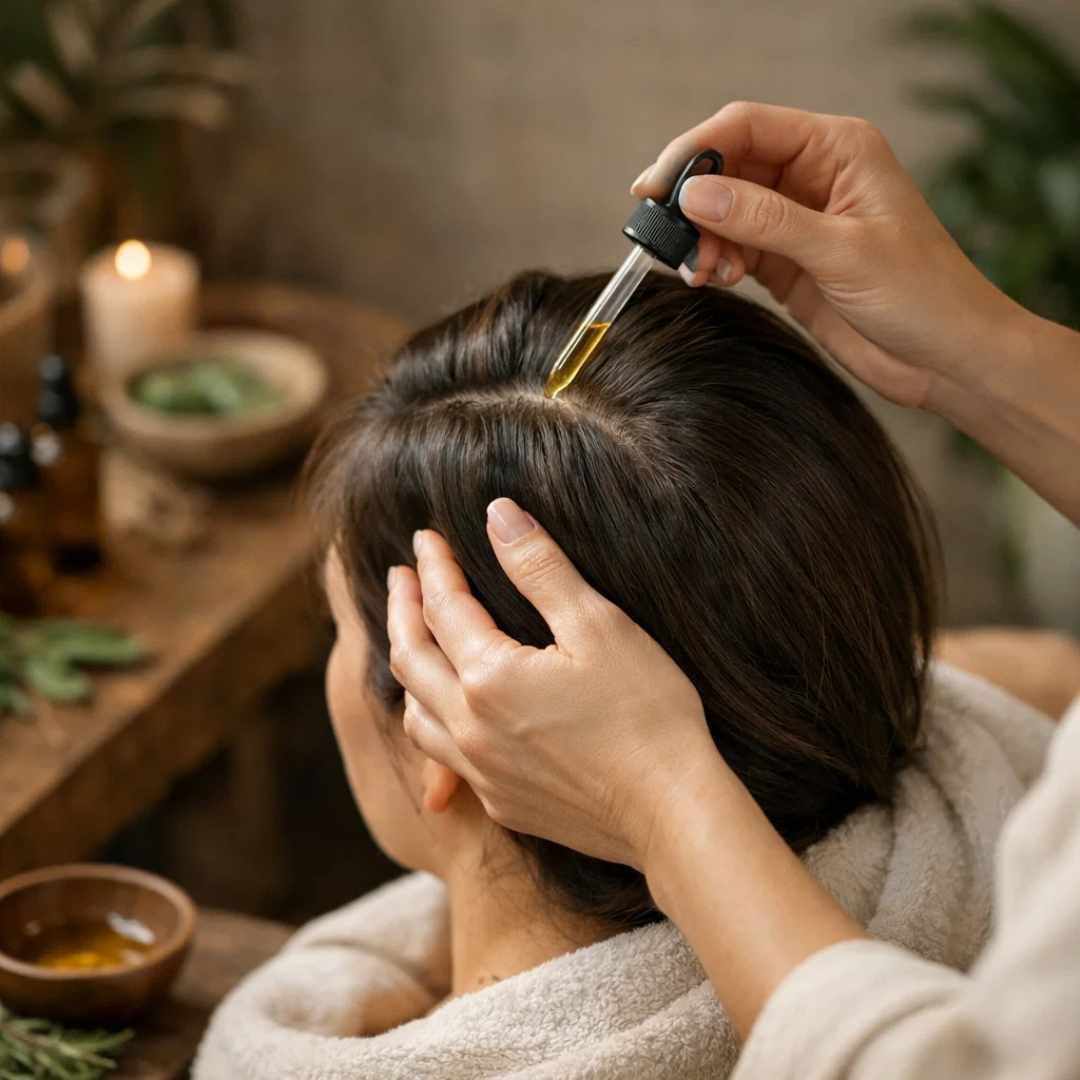
Use coconut, almond, or olive oil to massage the scalp twice a week.
Improves blood circulation and strengthens hair follicles.
🥗 Balanced Diet
Include protein-rich foods like eggs, nuts, lentils, and green vegetables.
Ensure you get enough iron, zinc, and vitamin D for healthy hair growth.
💧 Hydration
Drink enough water daily to keep your hair and scalp hydrated from within.
🧘♀️ Stress Reduction
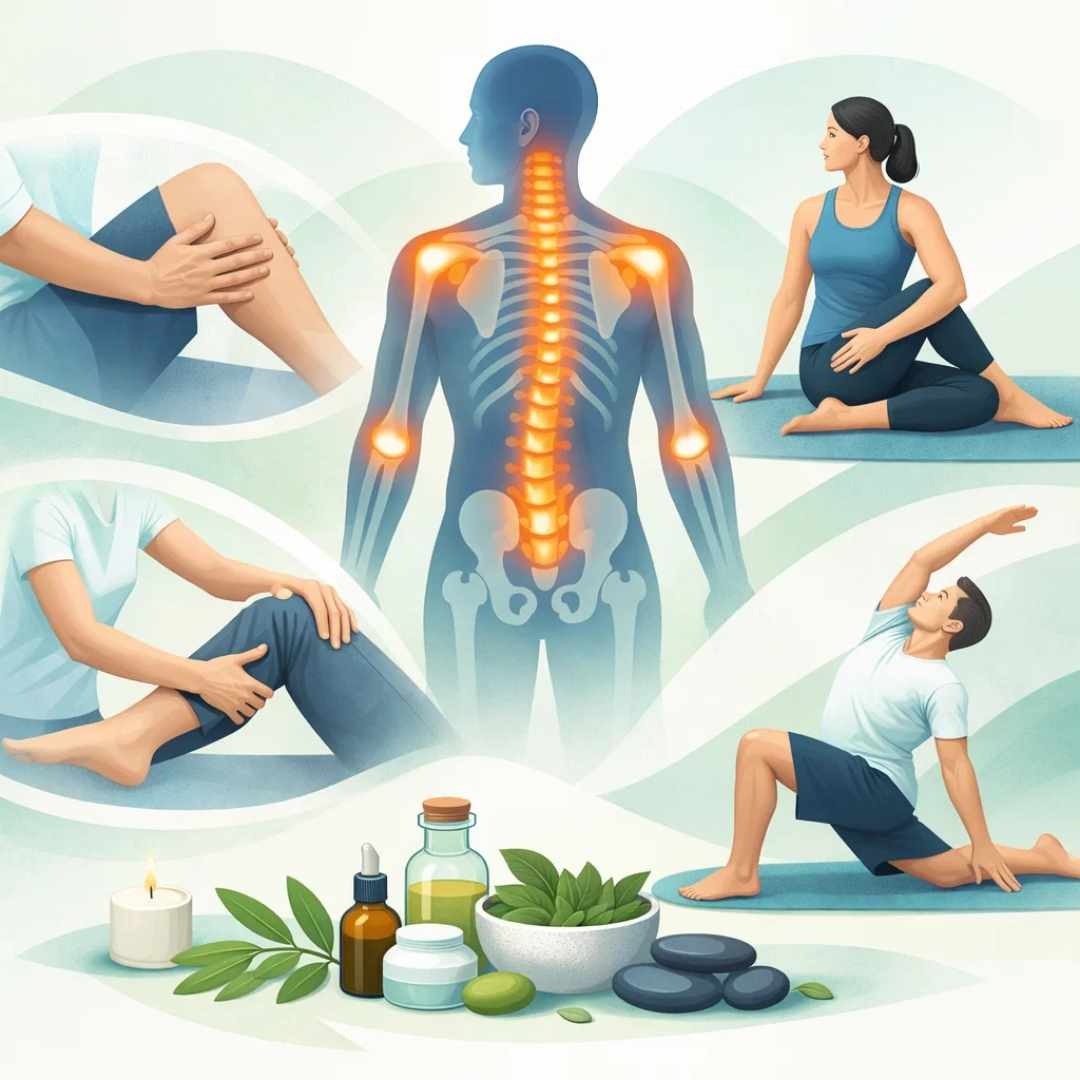
Practice yoga, meditation, or regular exercise to lower stress levels, which are linked to hair fall.
🍯 Natural Hair Masks
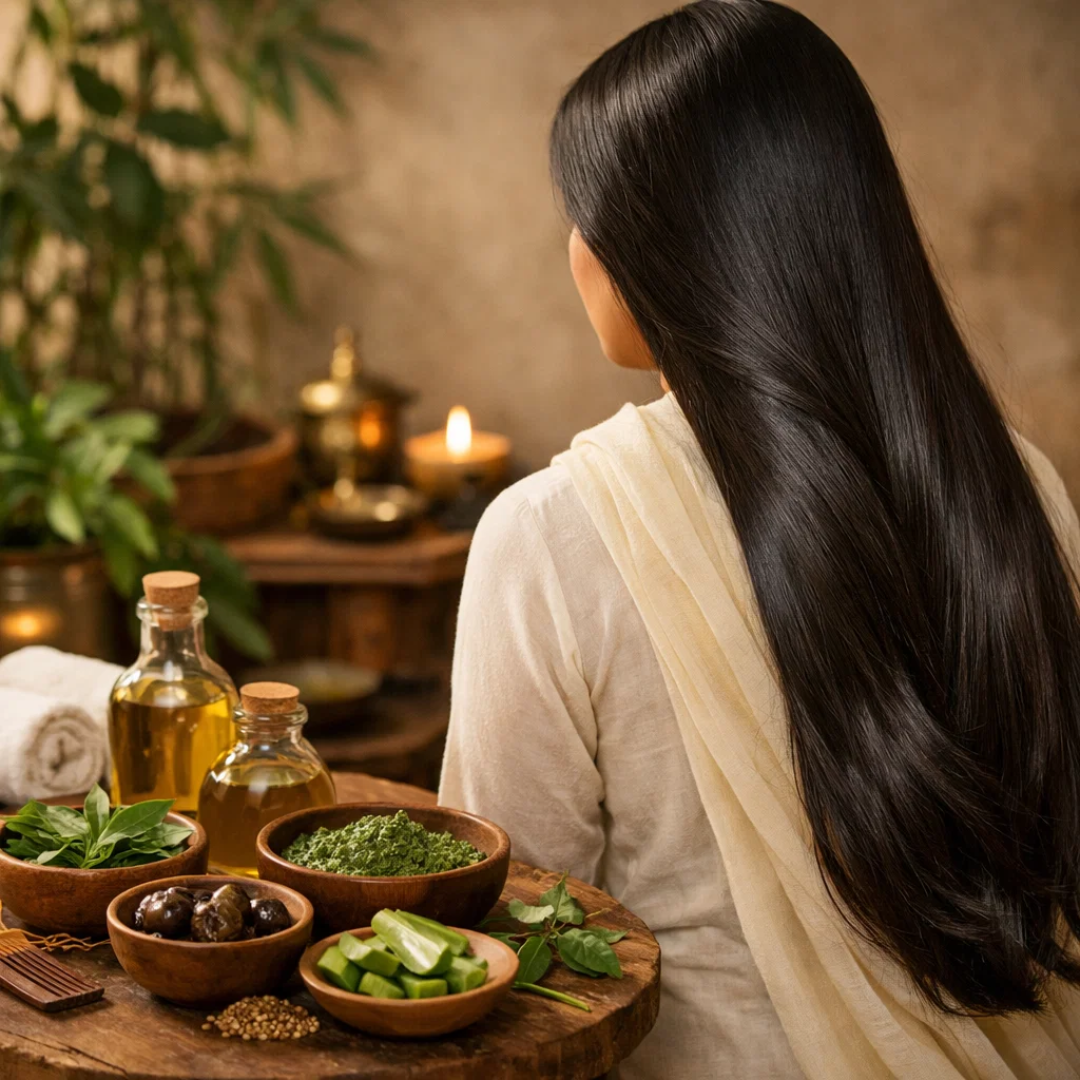
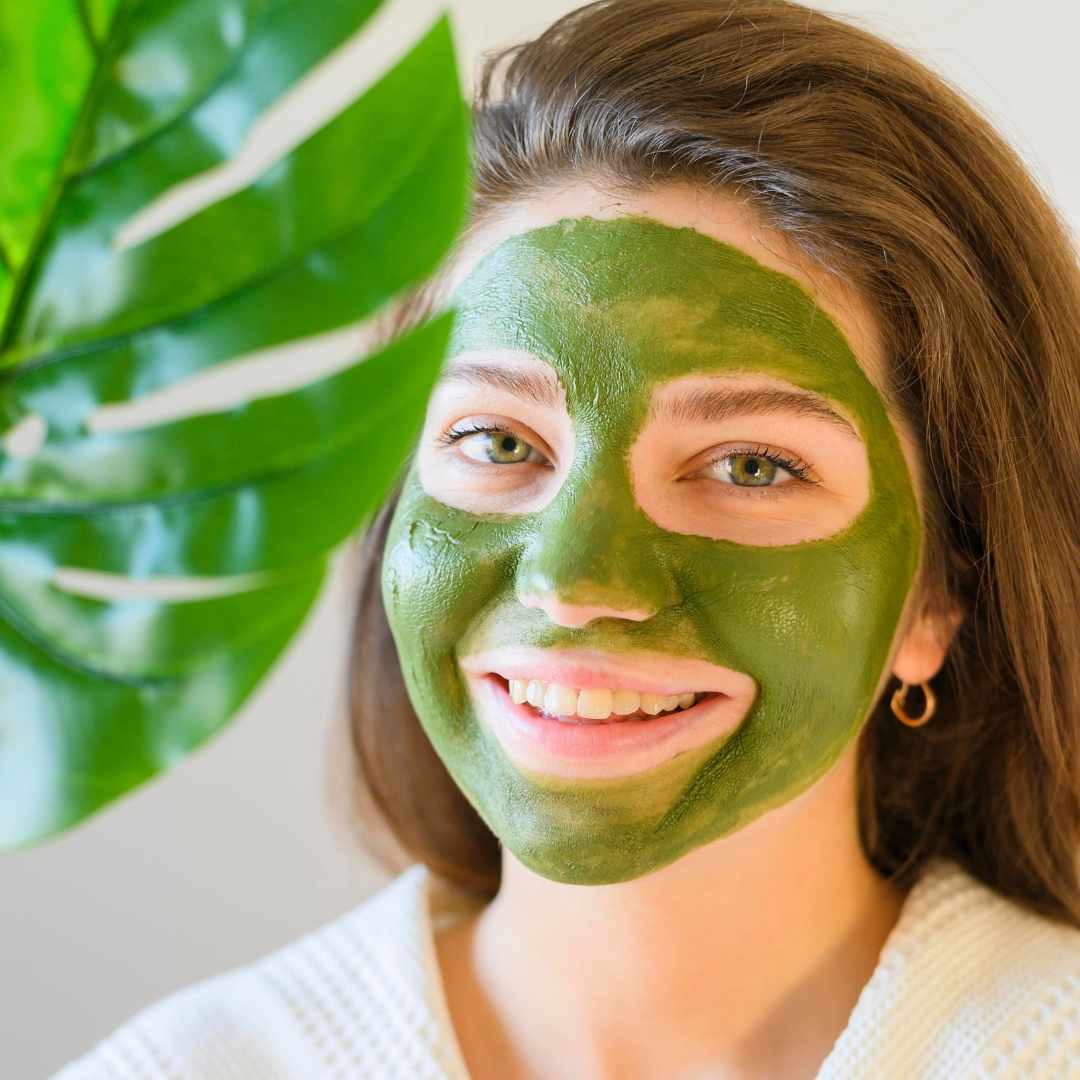
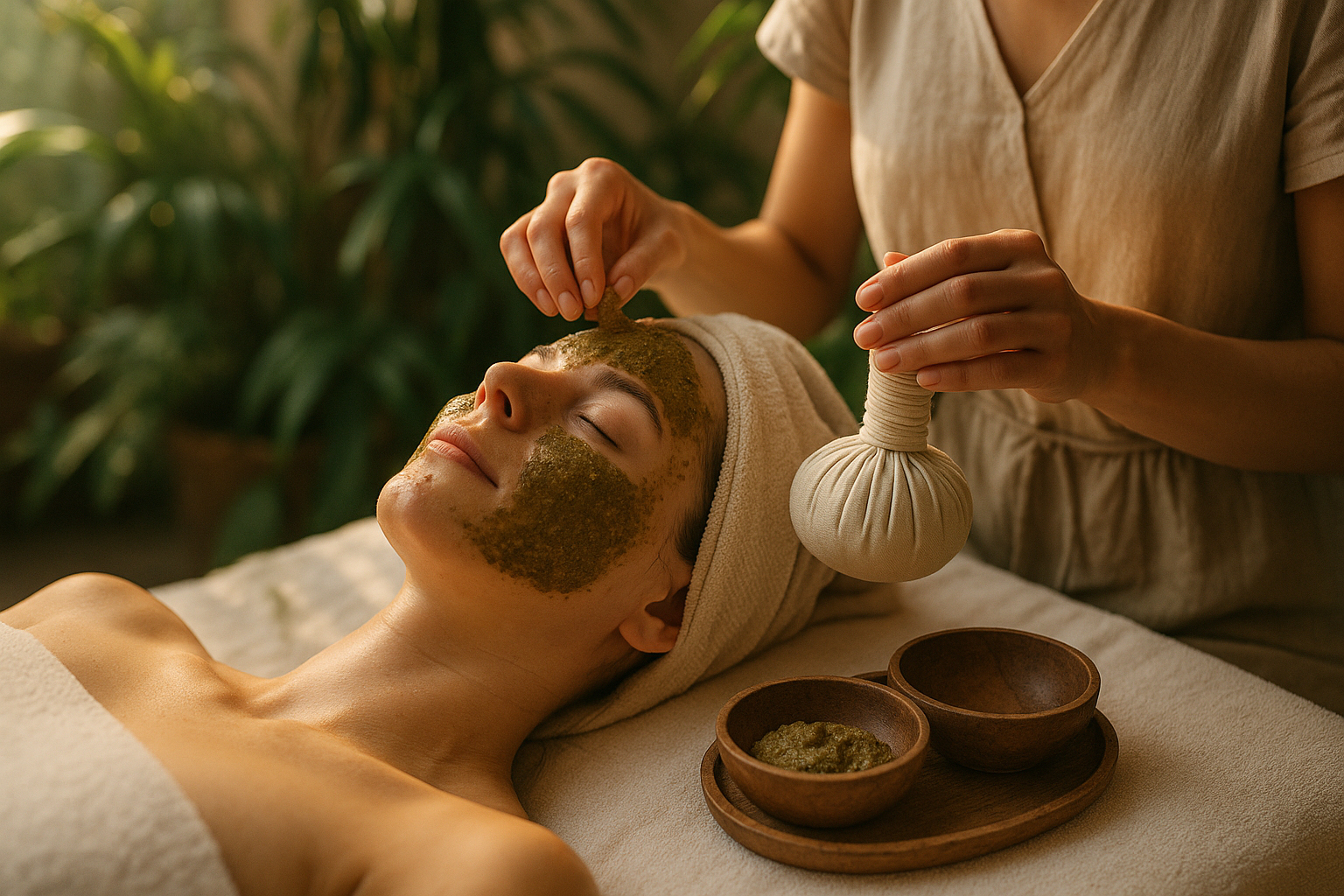
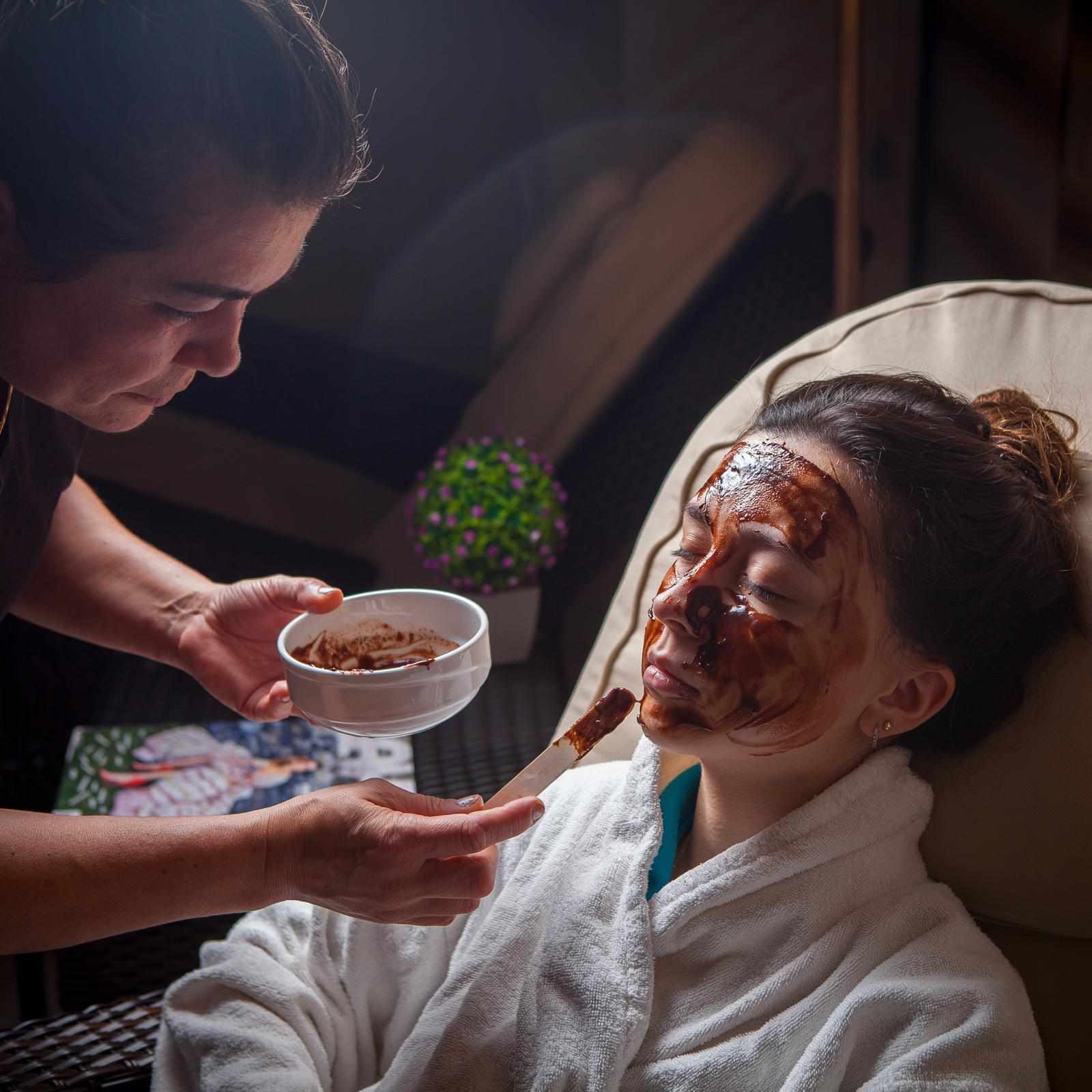
Apply masks using ingredients like aloe vera, curd, honey, or fenugreek to add moisture and shine.
🚫 Limit Heat & Chemicals
Minimize the use of styling tools, hair colors, and harsh shampoos.
Choose mild, sulfate-free products whenever possible.
These natural methods help repair hair damage and improve overall hair strength over time.
💆 Daily Hair Care Habits to Maintain Healthy Hair
Consistency is key to maintaining strong and healthy hair. Here are simple daily habits:
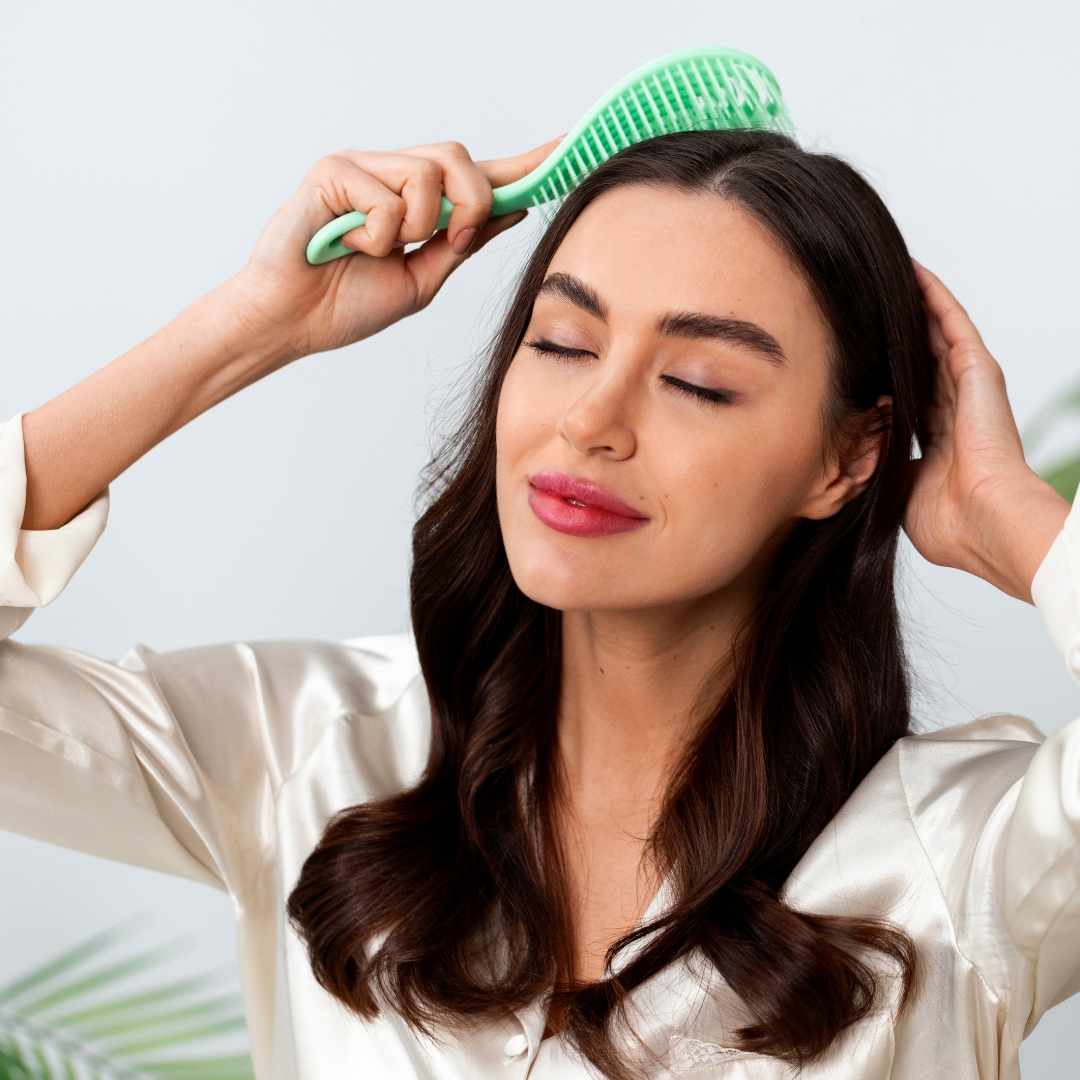
Gentle Combing: Use a wide-tooth comb and avoid brushing wet hair to prevent breakage.
Regular Trimming: Trim hair every 6–8 weeks to avoid split ends.
Scalp Cleansing: Wash hair regularly with lukewarm water to remove dirt and oil buildup.
Sun Protection: Cover your hair with a scarf or hat when stepping out in harsh sunlight.
Adequate Sleep: 7–8 hours of sound sleep helps the body repair and rejuvenate hair cells.
These habits build a strong foundation for long-term hair health.
👩⚕️ When to Seek Professional Help
While home remedies and lifestyle changes help, some hair problems may need professional attention. You should consult a hair care expert or dermatologist if you experience:
Sudden or patchy hair loss
Rapid thinning of hair with visible scalp
Persistent dandruff, itchiness, or scalp redness
Painful bumps or sores on the scalp
No improvement despite following a healthy hair routine
Early medical evaluation can prevent serious or permanent hair damage.
✅ Conclusion
Healthy hair requires consistent care, balanced nutrition, and awareness of early warning signs. By understanding the signs of unhealthy hair — like dryness, hair fall, dandruff, and thinning — and adopting natural remedies, you can restore hair vitality without harsh chemicals.
With the right approach, even damaged hair can become strong, shiny, and full of life again. Start small, stay consistent, and let your hair reflect your inner health and confidence.
✨ Want expert care for your hair? Visit Kayakalya for advanced, non-invasive hair treatments designed to restore strength, shine, and thickness naturally. Book your consultation today and give your hair the care it truly deserves.







Write a comment ...